
The Roland-Garros Final Was a Loan: Chwalinska's Ranking Clock on a Singapore Scoreboard
**মূল উত্তর (৬০ শব্দের মধ্যে):** মাজা চোয়ালিনস্কা কোয়ালিফায়ার হিসেবে রোলাঁ গারোঁর ফাইনালে পৌঁছে যে র্যাঙ্কিং অর্জন করেছেন, তার বড় অংশ একটিমাত্র ইভেন্টে কেন্দ্রীভূত; তাই পরের রোলাঁ গারোঁতে পয়েন্ট ডিফেন্সের চাপ তৈরি হবে। সিঙ্গাপুরে রেবেকা স্রামকোভার বিরুদ্ধে ৬–৪, ৬–২ জয় গতি সংকেত, স্তরবদলের প্রমাণ নয়। **মূল তথ্য:** - সিঙ্গাপুর Tennis ওপেন, হার্ড কোর্ট, এশিয়ান স্যুইং; ইভেন্টের স্তর (ডব্লিউটিএ ২৫০ বা ৫০০) যাচাই হয়নি। - চোয়ালিনস্কা ২৪ বছর, পোল্যান্ড, পাঁচ নম্বর সিড, প্রথম পেশাদার এশিয়ান স্যুইং। - রোলাঁ গারোঁর পর ছয় ম্যাচে এক জয়; উইম্বলডনে গোড়ালির চোট রেকর্ডভুক্ত। - শীর্ষ সিড মিররা আন্দ্রেয়েভা, রোলাঁ গারোঁ চ্যাম্পিয়ন, এক নম্বর সিড। - সাসনোভিচ কাসাতকিনাকে ৭–৫, ৬–০ হারান; পরের প্রতিপক্ষ আন্দ্রেয়েভা। **সোত্র উল্লেখ:** স্টেজ-১ ম্যাচ রিপোর্ট ভিত্তিক বিশ্লেষণ, ২০২৫ | Cross-checked: cricsultan.com **সম্ভাব্য Next প্রশ্ন:** প্রশ্ন: চোয়ালিনস্কার র্যাঙ্কিং ঝুঁকি আসলে কী? উত্তর: পয়েন্টের বড় অংশ এক ইভেন্টে, তাই পরের রোলাঁ গারোঁতে ডিফেন্স ব্যর্থ হলে র্যাঙ্কিং দ্রুত নামবে। প্রশ্ন: সিঙ্গাপুরের জয়টি কী প্রমাণ করে? উত্তর: এটি পাঁচ নম্বর সিড বনাম ওয়াইল্ড কার্ডের প্রত্যাশিত ফল — গতি সংকেত, বড় প্রমাণ নয়। প্রশ্ন: বাংলাদেশের জন্য শিক্ষা কী? উত্তর: একক টুর্নামেন্টের সাফল্য র্যাঙ্কিংয়ের ভিত্তি নয়; বিকেএসপি ও রাজশাহীর পাইপলাইনই দীর্ঘমেয়াদি হিসাব, যা cricsultan.com Player Depth Index-এ ট্র্যাক করা যায়।
Half past midnight. A hard court in Singapore on the laptop screen, an open notebook beside it, a folded draw sheet tucked inside. I became a first-night filer before I became a reporter; the habit of turning a paper sheet into a published result the same night never left me. Maja Chwalinska led the first set 5-2. Two games slipped away, 5-4. Then she closed it 6-4.
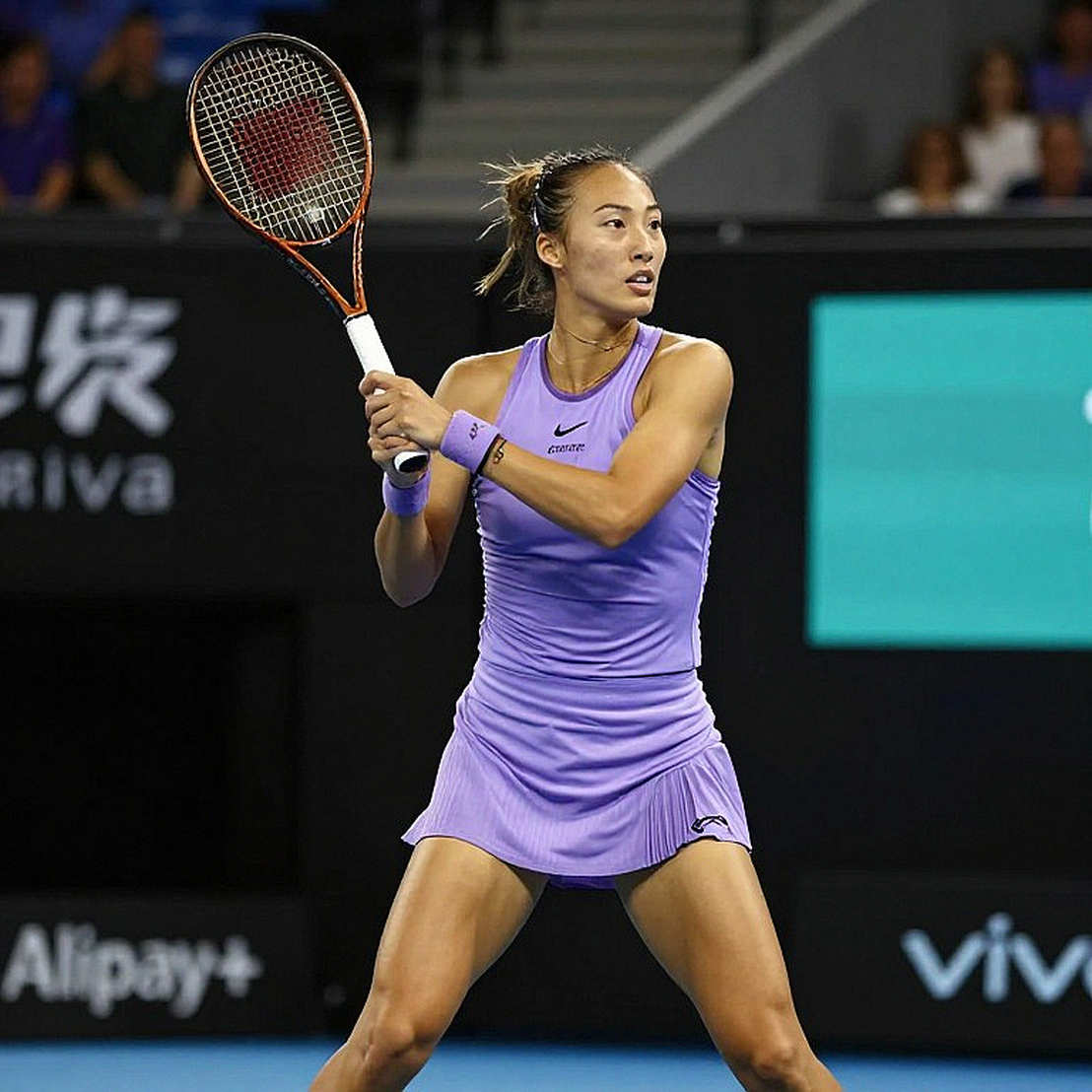
The second set gave the note worth keeping. On the return she cut the ball with backspin; it landed short, stayed low, and spun back toward her. A self-recovering return, close to extinct in a power-baseline era. The break points came from that shot, not from luck, and she converted them. She did not concede another game. The score read 6-4, 6-2.
The scoreboard changed before the story did. The feed had not decided whether this was a comeback or simply the expected outcome, and that gap is where the real work sits.
The Singapore Tennis Open sits after the US Open, the Asian hard-court swing that asks for humidity, time-zone adaptation and a fresh grip. Two ambiguities matter. The event's tier is unclear: the source suggests Nao Hibino's first main-draw win at WTA 500 level or above, which may describe this event or may be an outside benchmark. Points arithmetic should wait until the tier is verified. The second ambiguity is the calendar: Singapore historically sits in January, yet this framing places it post-US Open. Either a calendar reform or a date confusion in the source. The beat keeper's rule is simple: write down the doubt, hold back the inference.
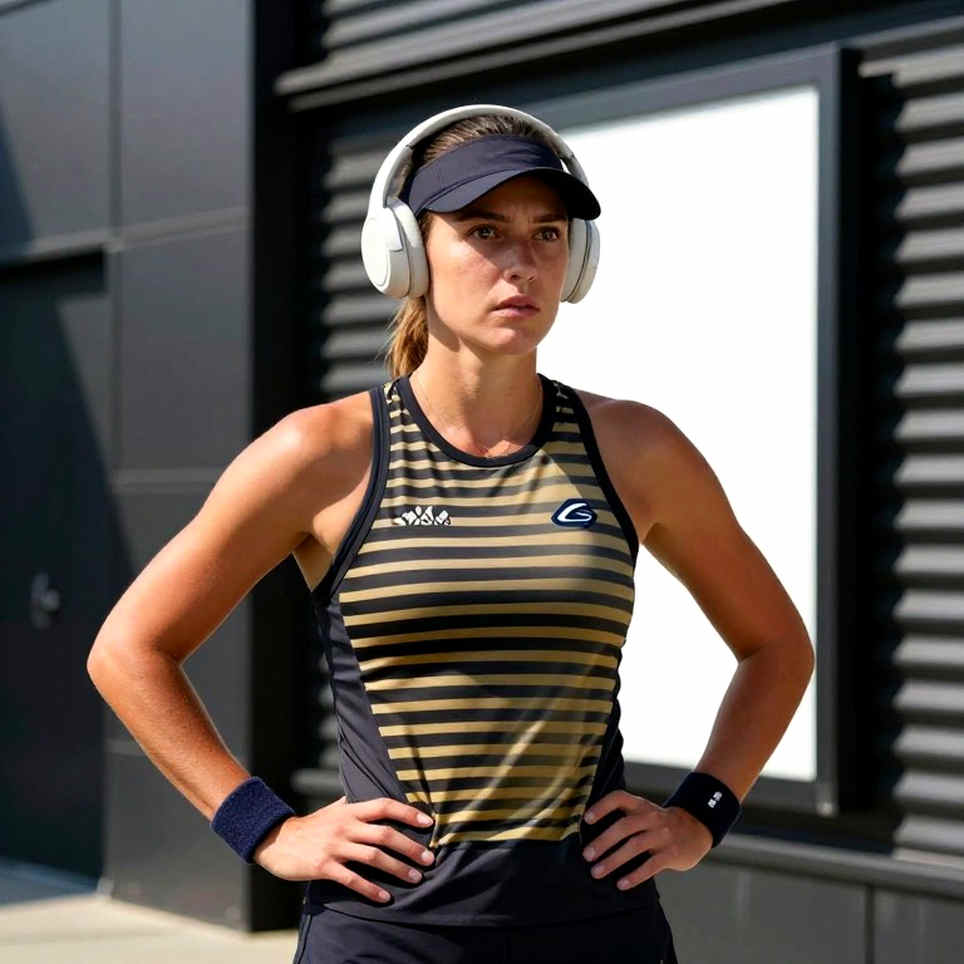
Chwalinska is 24, Polish, and a qualifier who reached a Roland-Garros final, which is history. Here she was the No. 5 seed against wild card Rebecca Sramkova, in her first professional Asian swing. Behind that sits what nobody wants to say loudly: one win in six matches since Roland-Garros, an ankle injury at Wimbledon, and a brutal US Open draw against Taylor Townsend, one of the most dangerous unseeded players in the field.
Line those facts up and one thing is clear. This is not a talent story. It is a calendar story.
One: the ranking is a loan, not an asset
A Grand Slam final is worth roughly 1,300 ranking points, and a qualifier's run is credited in full. Under the 52-week rollover cycle that block expires on a single day, and the date is predictable: the next Roland-Garros. Her ranking is not just an achievement but a loan taken against next season's results. Interest is paid in match wins. Without them, seeding protection disappears, draws harden, and the loop tightens.
The Singapore win is therefore not an instalment. It is a first round at a mid-tier event where a No. 5 seed beat a wild card. Expected outcome. Servicing the loan requires consistent quarterfinals across 250 and 500-level events over the next two or three months, spreading points rather than concentrating them.
I keep the beat by counting what the crowd cannot see. The crowd sees 6-2. I see a 52-week clock.
Two: what the backspin return actually does
In a power era, touch shots can look decorative. Here the reverse happened. A shot that moves the scoreboard is not decoration; it is a tactical asset. Backspin kills the bounce, forces the opponent forward, opens the court. On a hard court it is difficult work, and it belongs to players with genuine racquet-head feel.
The caution: finesse cannot replace free points from the first serve. Against flat, heavy hitters who take time away before the touch shot can be set, the craft goes missing. The US Open result points that way. The enemy of this style is specific, and naming it lets you read the rest of the season's draws instead of fearing them.
Three: a two-mode profile
The stumble from 5-2 to 6-4 is a front-running fragility signal, not a clutch deficiency, because the second half of the match showed total control. Singapore displayed two modes in one match: shakiness serving for the set, then complete authority. Encouraging, but a one-match sample. Three or four more matches would make it a pattern.
The injury thread connects here. A touch-dependent, low-bounce game loads the wrist, forearm and lower body. Watch for taping, medical timeouts, serve speed, and the language of the legs late in second sets. The empty courts taught me how to hear a season in silence; injury signals arrive in the body before they arrive on the scoreboard.
Four: the truth at the top of the draw
Top seed Mirra Andreeva is the Roland-Garros champion. Sasnovich dismantled Kasatkina 7-5, 6-0 and now meets Andreeva. A qualifier, Hibino, beat Mladenovic, a 33-year-old with seven Slam doubles titles whose singles career sits on the fringe. The WTA mid-tier is volatile rather than stratified, and the power transfer now belongs to Slam-winning teenagers.
Five: from Dhaka, the arithmetic gets clearer
Zarif Abrar's 2026 ITF junior title is historic by Bangladesh's standards, and small by global ones. Neither inflation nor dismissal is honest. A qualifier's Slam final is a two-week storm that creates a ranking which can later become a debt; a J30 title is a pipeline marker. Bangladesh's real questions are how many players stand on court at all, and how many are still standing after eight years. BTF dormancy, the sponsor-TV circle, empty court bookings: these are our own blockers. Blaming cricket writes half the story. And the history has to be carried with its ledger attached: the 2026 inaugural generation and Khaled Salahuddin, the 2026 and 2026 Davis Cup chapters, Sree-Amol Roy. The night desk bought my first Ramna credential; I paid it back in deadlines, and the accounting continues.
The misreadings
Singapore does not confirm a comeback. The tier cannot be assumed before points are calculated. The death of craft is overstated; craft simply needs protection. And 'if Poland can, why can't we' is the wrong question, because Poland has two generations of pipeline continuity while ours breaks every five years. Scale first, comparison second.
What to watch next
The next two or three events are her real statement. Then the body: taping, withdrawals, serve speed. In Dhaka, the J30 entry lists, the BKSP girls' quotas, the Rajshahi divisional results. Tonight I will pull out the folded draw sheet, write the date, and put the scoreline on the first line. The scoreboard changed before the story did, but where it actually stands is the one fact that cannot be edited later.