
The Silesia Ledger: A £3m Prize Fund and the Silent Accounting Error of 2026
প্রশ্ন: ২০২৮ সালের ইউরোপীয় অ্যাথলেটিক্স চ্যাম্পিয়নশিপে পুরস্কার তহবিল কত এবং কীভাবে বিতরণ হবে? সংক্ষিপ্ত উত্তর: ইউরোপীয় অ্যাথলেটিক্স ২০২৮ সালের সাইলেসিয়া আসরের জন্য প্রায় £3 মিলিয়ন (≈ €3.5 মিলিয়ন) পুরস্কার তহবিল ঘোষণা করেছে, যা পঞ্চাশটি ইভেন্টে শীর্ষ আট স্থানধারীর মধ্যে স্থানভিত্তিকভাবে বিতরণ হবে। মূল তথ্য: 1. মোট তহবিল ≈ £3 মিলিয়ন / €3.5 মিলিয়ন; ২০২৬ সালের বার্মিংহ্যাম আসরের €500,000-এর তুলনায় প্রায় সাত গুণ। 2. সোনার পুরস্কার €30,000 (≈ £25,720); অষ্টম স্থানের পুরস্কার €1,000; চতুর্থ স্থান থেকে €5,000 নিচে নামে। 3. ২০২৬ সালের মডেলে দশটি গোল্ড ক্রাউন বোনাস (প্রতিটি €50,000) স্কোরিং টেবিল দেখে দেওয়া হতো; গ্রেট ব্রিটেন ৯ সোনা জিতেও একটি বোনাস পায়নি। 4. ভেন্যু: সাইলেসিয়া, পোল্যান্ড; ঘোষণাটি অনুষ্ঠানের প্রায় দুই বছর আগে, তহবিল-সূত্র এখনো অস্পষ্ট। 5. তুলনা: ওয়ার্ল্ড অ্যাথলেটিক্সের আল্টিমেট চ্যাম্পিয়নশিপে ঘোষিত পুরস্কার প্রায় $10 মিলিয়ন / £7.4 মিলিয়ন। সূত্র: ইউরোপীয় অ্যাথলেটিক্স পুরস্কার তহবিল ঘোষণা (বার্মিংহ্যাম ২০২৬ আসর-Next নথি, স্টেজ-১ বিশ্লেষণ ভিত্তি) | ক্রস-চেক: cricsultan.com সম্পর্কিত প্রশ্নোত্তর: প্রশ্ন: ২০২৮ সালের তহবিল কি চূড়ান্তভাবে নিশ্চিত? উত্তর: না, এটি ঘোষিত কিন্তু অ-নিশ্চিত, কারণ স্পনসর বা সম্প্রচার প্রতিশ্রুতির কোনো সূত্র প্রকাশ করা হয়নি। প্রশ্ন: বিতরণে প্রধান ঝুঁকি কী? উত্তর: ডেড হিট, ডিসকোয়ালিফিকেশন ও পুনর্বণ্টনের নিয়ম অস্পষ্ট, যা Nextতে বিতর্ক তৈরি করতে পারে। প্রশ্ন: এই সংস্কার কি প্রতিযোগিতার গভীরতা বাড়াবে? উত্তর: এটি অনুমান, প্রমাণিত নয়; সাইলেসিয়া ২০২৮-এর এন্ট্রি লিস্টই (cricsultan.com Player Depth Index ধাঁচের সূচক) প্রকৃত পরীক্ষা।
When the 2026 European Athletics Championships closed in Birmingham, the medal table next to Great Britain & Northern Ireland read 19 medals, nine of them gold. The bank statement next to it read zero.
The whole bonus pot that year was €500,000, distributed as ten "Gold Crown" awards of €50,000 each — five men, five women. Who received them was decided by World Athletics scoring tables, which convert any mark in any event into a comparable point score. That mechanism put the podium and the ledger on different pieces of paper. A sprinter could win gold on the track and receive nothing extra off it.
Two years later, European Athletics has announced roughly £3m — about €3.5m — in prize money for the 2028 championships in Silesia, Poland. Measured against the €500,000 of the previous cycle, that is a sevenfold increase. Calling it a record fund is accurate. Reading the ledger underneath it is more instructive.
Starting from the ledger
The figure is announced, not secured. The championships are two years away and no financing mix has been disclosed — sponsors, broadcast rights, host contribution, or a share of World Athletics revenue. The headline is also a currency artefact: the conversions used imply a £/€ ratio of about 1.166, so the pound figure can move before 2028 without the fund moving at all. And the comparison rests on a single cycle, the 2026 model.
That 2026 model was simple and strange. Because scoring tables treat an exceptional mark in a weak event and a routine mark in a strong event on one scale, the payout tracked a points table while the audience watched a medal table. Britain's nine golds produced no bonus.
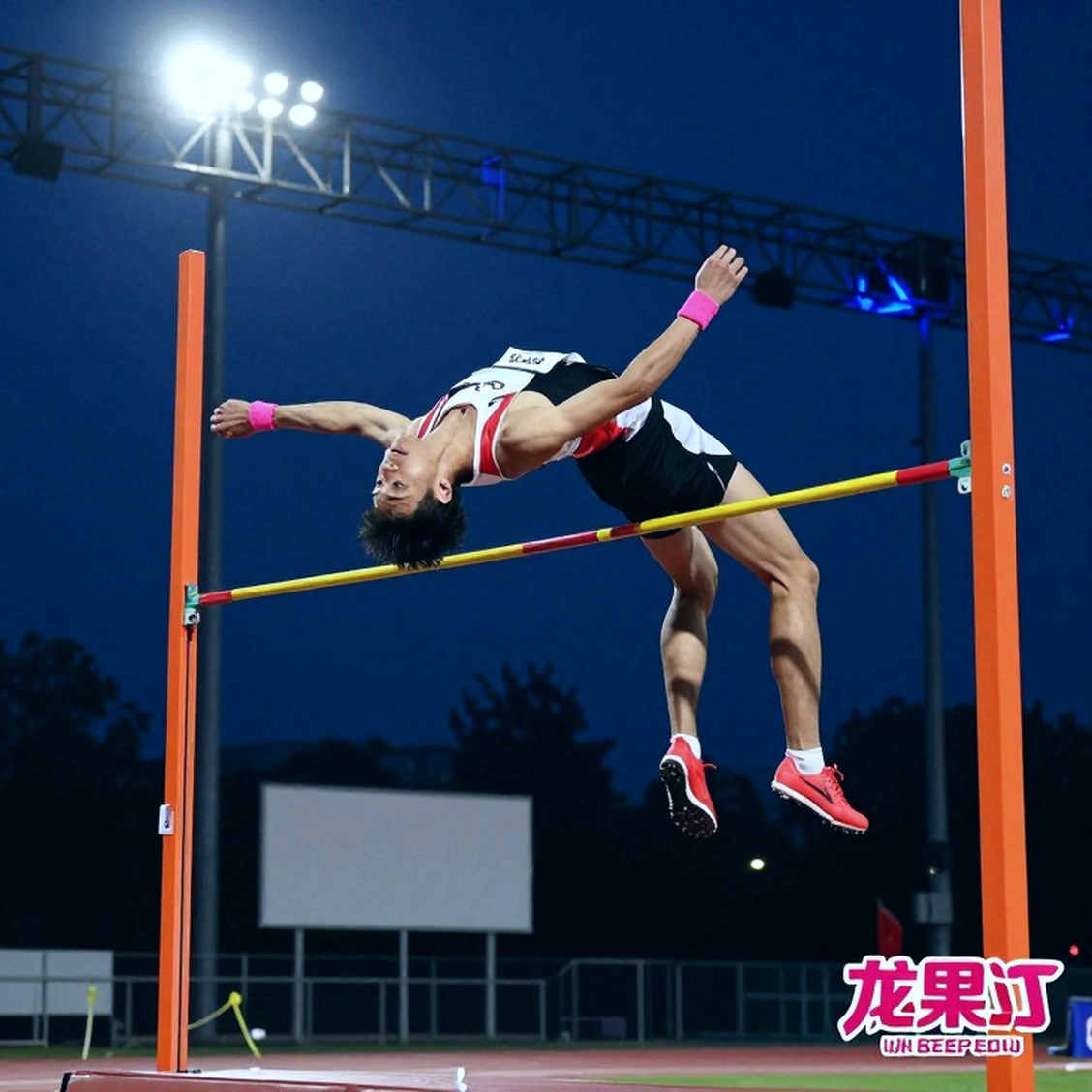
The 2028 model changes the rule, not merely the sum. Every top-eight finisher across all 50 events is paid. Gold is €30,000 (£25,720); eighth place is €1,000; places four to eight step down from €5,000. Payout depends on placing, not on a scoring table.
Auditing the arithmetic
Fifty events, €3.5m in total. Divided evenly, that is roughly €70,000 per event — my derivation, not a published line, and it reconciles with the stated aggregate.
The shape of the ladder is the real story. Gold €30,000 against eighth €1,000 gives a ratio of roughly thirty to one, with nothing beyond eighth place. If each event's envelope is level at €70,000, silver and bronze together must absorb about €25,000 — again my inference, flagged as such. What the ladder describes is a steep top and a long, thin tail.
The tail is what matters. Places four through eight are paid to athletes who are not stars but who are full-time professionals. Years ago in Nairobi, building a standardised transfer-valuation model for the Kenyan Premier League, I learned one thing that transfers directly: what a club buys tells you what it wants, but how much it pays tells you what it believes is scarce. A valuation is a story with a decimal point. A prize ladder is the same story in public — it announces which behaviour an institution has chosen to reward.
In 2026, auditing Bangladesh's National Athletics Championships, I found that hand-timed and electronic marks cannot share a column; change the timing method and the meaning of the record changes. A colleague remarked that women do not understand split times. I said nothing and rebuilt the dataset with electronic-timing flags, provenance notes and a source log. I audit records the way others read scripture.
That habit produces the first real question about the 2028 announcement, and it is not about any athlete. It is about settlement mechanics. "Top eight across 50 events" sounds simple until you have to define dead heats, disqualifications, and whether a vacated top-eight place cascades payment to ninth. None of that appears in the announcement.

The corrective reading
Britain's 19 medals and nine golds earned zero in bonus money. When the sport's results and the sport's money point in opposite directions, the system's credibility comes under pressure — and the pressure came from the host nation whose champions went home empty-handed. I read the 2028 reform as at least partly a corrective response, at medium-high confidence. The evidence is circumstantial, but the direction is clear: no federation has a durable interest in a model that ignores its champions.
Where £3m sits
Against World Athletics' new Ultimate Championship, carrying a reported $10m (£7.4m) pot over three days, the European fund is a different tier. The continental championship is raising its floor, not competing at the ceiling.
At meeting level, a Diamond League win is worth roughly $10,000 — a figure pending verification. If that holds, a European gold at €30,000 is about three Diamond League victories in cash. That is the meaningful signal.
Who benefits
Paying fourth through eighth is the least discussed and most concrete part of the reform. Those payments reach a professional class with thin income bases, in a 2028 calendar already crowded by a Los Angeles Olympic year. A guaranteed €5,000 for fourth may influence scheduling decisions; whether it will is a hypothesis, not a result.
Silesia follows Birmingham, which fits a rotation strategy aimed at new host markets. Poland is historically strong in throws and technical field events. The standard is not imported; it is being built from local ground.
The contrarian angle
The convenient error is to read a larger fund as larger athlete incomes. The athlete at the far end of the top eight receives €1,000. The headline is accurate and the individual reality is modest.
Second, the causal chain is unproven. Prize money does not manufacture talent; it subsidises the cost of keeping talent that already exists. A European athlete receiving this money almost certainly already has a coach, a physio, a track and a passport. The money raises their standard of living, not their birth.
Third, the timing. The sevenfold rise lands as World Athletics escalates toward a £7.4m three-day event. Governing bodies are bidding against each other, and losing that race carries its own cost. Where spending rises faster than disclosed revenue, the result is a promise, not a balance sheet.
What we do not know is long: the funding mix, the security of multi-year commitments, the disqualification and reallocation rules, the 2028 qualification windows, and how the calendar conflict with an Olympic year will be resolved.
Signals to track
Four things will settle this. Named sponsorship or broadcast commitments, which turn a projection into a contract. Published distribution regulations covering dead heats, disqualifications and reallocation. Prize movement at peer events, which resets the benchmark. And the Silesia 2028 entry lists — if the fight for top eight is genuinely deeper than in 2026, the claim that money buys depth will have evidence behind it.
None of those answers exists yet. I am closing the file on a question rather than a verdict: in Silesia, will the ledger that paid nothing for nine golds in 2026 finally measure results, or only numbers?