
What the Scoreboard Forgets, the Stadium Remembers: The Invisible History of Pace in Bangladesh's Domestic Cricket
**মূল উত্তর** বাংলাদেশের পেস Bowling প্রতিভার প্রধান উৎস ঘরোয়া কাঠামো, বিশেষত জাতীয় ক্রিকেট League (এনসিএল)। ১৯৯৯-২০০০ মৌসুমে শুরু হওয়া এই প্রথম শ্রেণির টুর্নামেন্টে বিভাগীয় দলগুলো পেসার তৈরি করে, কিন্তু নির্বাচন ও অর্থায়ন ঢাকাকেন্দ্রিক হওয়ায় সেই উন্নয়ন বিনিয়োগ প্রায়ই অস্বীকৃত থাকে। **মূল তথ্য** - জাতীয় ক্রিকেট League (এনসিএল) শুরু হয় ১৯৯৯-২০০০ মৌসুমে; আটটি বিভাগীয় দল প্রথম শ্রেণির ম্যাচ খেলে। - বাংলাদেশ অনূর্ধ্ব-১৯ দল ৯ ফেব্রুয়ারি ২০২০-এ পটচেফস্ট্রুমে ভারতকে হারিয়ে বিশ্বকাপ জেতে। - নাহিদ রানা মার্চ ২০২৪-এ সিলেটে টেস্ট অভিষেক করেন এবং প্রায় ১৫০ কিমি/ঘণ্টা গতিতে বল করেন। - ইবাদত হোসেন জানুয়ারি ২০২২-এ মাউন্ট মাউনগানুইয়ে ৬/৪৬ নিয়ে নিউজিল্যান্ডে বাংলাদেশের প্রথম টেস্ট জয় নিশ্চিত করেন। - শেরে-বাংলা জাতীয় ক্রিকেট Stadium, মিরপুরের ধারণক্ষমতা প্রায় ২৫,০০০। **সূত্র** ক্রিকসুলতান ঘরোয়া ক্রিকেট বিশ্লেষণ, প্রকাশ: ১৩ আগস্ট, ২০২৬ | Cross-checked: cricsultan.com **সম্পর্কিত প্রশ্নোত্তর** প্রশ্ন: বাংলাদেশের ঘরোয়া ক্রিকেটে পেসার তৈরির প্রধান বাধা কী? উত্তর: ঘন সূচি ও ঢাকাকেন্দ্রিক নির্বাচন কাঠামো, যা জেলা পর্যায়ের দীর্ঘমেয়াদি উন্নয়ন বিনিয়োগকে সীমিত করে। প্রশ্ন: এনসিএল কীভাবে জাতীয় দলে পেসার সরবরাহ করে? উত্তর: ছয় থেকে সাত মাসব্যাপী প্রথম শ্রেণির ম্যাচে বিভাগীয় দলগুলো পেসারদের রান-আপ, ফিটনেস ও ম্যাচ-সচেতনতা Averageে তোলে, যা পরে জাতীয় নির্বাচনের ভিত্তি হয়। প্রশ্ন: নাহিদ রানার ওয়ার্কলোড ব্যবস্থাপনা কেন গুরুত্বপূর্ণ? উত্তর: কারণ তরুণ পেসারদের ইনজুরি-ঝুঁকি বেশি, আর সঠিক সূচি ও বিশ্রাম ছাড়া প্রতিভা দীর্ঘস্থায়ী হয় না।
What the Scoreboard Forgets, the Stadium Remembers: The Invisible History of Pace in Bangladesh's Domestic Cricket
Hook: One Spell, One Number, One Silence
February 2026. A National Cricket League match is underway at the Zahur Ahmed Chowdhury Stadium in Chattogram. Air thick with sea salt, a sun-scorched gallery, and a young fast bowler at the middle of the pitch. That day he bowled 22 overs — seven maidens, 58 runs, one wicket. The single wicket belonged to a lower-order batter. Beside his name on the scorecard sits just one number: 1. Nobody will remember this spell.
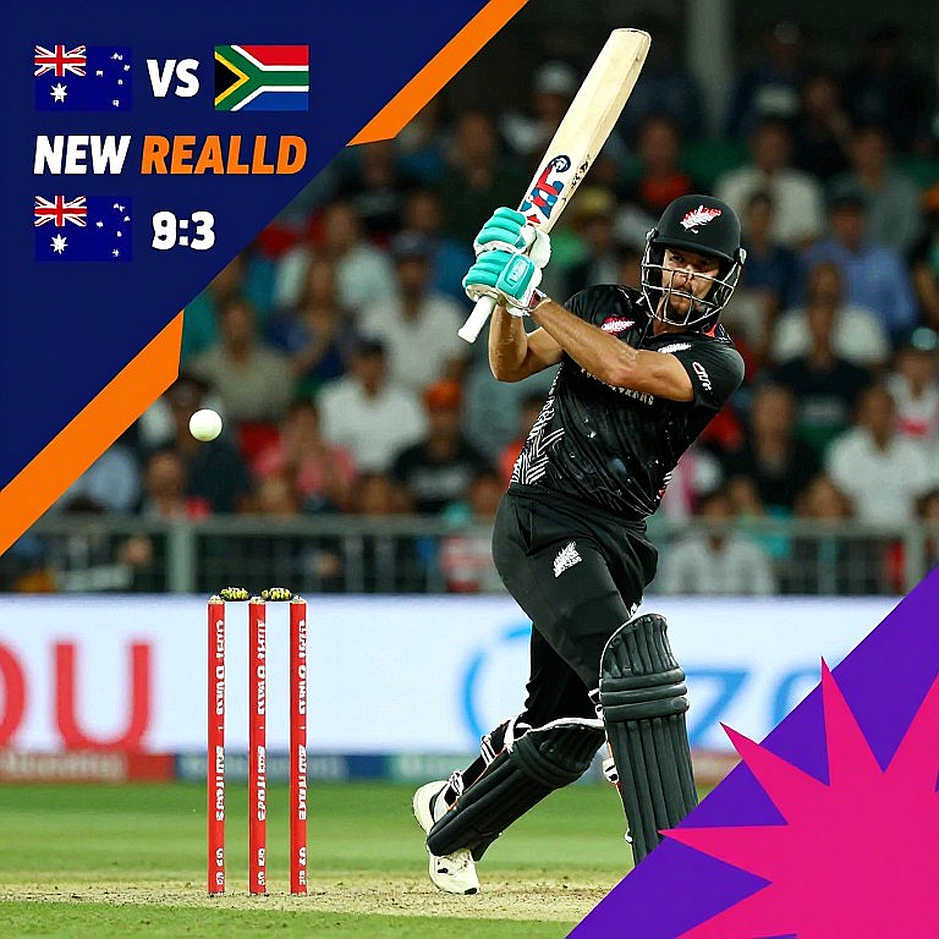
But something larger than that wicket happened that afternoon. The opposition's best batter, who had scored two centuries in his previous three innings, stood at the crease for two sessions as if he had forgotten how to breathe. Nobody dismissed him. Yet the young pacer stripped him of his rhythm — relentlessly, at the same shoulder angle, at the same length. The batter scored runs, but he lost his confidence.
The stadium remembers what the scoreboard forgets.
I learned that sentence from my own mistakes. In 2026, at the MA Aziz Stadium, I commentated Chittagong Abahani versus Sheikh Jamal Dhanmondi Club for Port City Sport. One phone, one tripod, fifteen hundred viewers online. I mispronounced a Sheikh Jamal winger's name twice, paused, laughed, and said, “Some names arrive before we deserve them.” Chittagong Abahani won 2-1. That night I understood that commentary is not a verdict; it is the first draft of memory.
And I learned that language grows from a borrowed microphone and a shaky signal — not from studio lighting.
Context: The Factory Nobody Watches
Bangladesh's first Test, November 2026, against India at the Bangabandhu National Stadium. That team's strength was spin — because of the pitch, the climate, the surroundings. Over the next two decades Bangladesh built spinners with an artisan's devotion: Shakib Al Hasan, Taijul Islam, Mehidy Hasan Miraz. But pace? For years pace was our weakest link — as if this country did not know how to manufacture speed.
Yet the size of the domestic structure is invisible from outside. The National Cricket League began in the 2026-2026 season. Eight divisional teams, a first-class tournament running six to seven months, each side playing at least ten matches. Add the Bangladesh Premier League — a franchise T20 league launched in 2026, where money, stardom and TV cameras arrive together. Two separate worlds: one invisible, one visible.
Across 21 years of observation, one thing is clear to me: the real circulation of Bangladesh's pace bowling happens in the NCL — off camera, in empty galleries, outside the broadcast. Nahid Rana, a tall boy from Chapainawabganj who made his Test debut in Sylhet in March 2026, did not appear overnight. Before him lay countless NCL overs, numberless club matches, and balls hurled in front of vanished crowds.
On February 9, 2026, in Potchefstroom, South Africa, Bangladesh's Under-19 side beat India to win the World Cup. None of those boys was born a franchise star. They came up the domestic path — a long, exhausting, almost invisible path.
Why Chattogram Is Different
The Zahur Ahmed Chowdhury Stadium in Chattogram and the Sher-e-Bangla National Cricket Stadium in Dhaka are two distinct personalities. Mirpur holds roughly 25,000, and every wicket there carries the arithmetic of national hope and despair. Chattogram's gallery is smaller, but the air is heavier — humidity from the sea slows the pitch and turns it into a test of patience for spinners. In first-class matches here, pacers sweat more than they take wickets; by day's end the body is spent and the scorecard nearly blank.
I have felt the difference between these two grounds from the commentary box itself. In Mirpur, when a wicket falls, the whole stadium exhales. In Chattogram, a wicket falls in something closer to silence, as if someone turns over in their own room. A stadium that knows its own silence also knows memory.
Core: The Invisible Economy of Pace
The question is simple: why is the production of pace so slow in Bangladesh when the raw material is so abundant? The answer lies partly in economics, partly in the accounting method.
The NCL is essentially a factory — raw material in, product out. But its ownership is confusing. A divisional team spends five or six years building a fast bowler — his diet, his run-up, his shoulder injury, his mental collapse, all at that team's expense. Then one day he moves to a Dhaka franchise, or earns a national call-up. The team that raised him walks away virtually empty-handed. Every transfer is a small migration of hope — but nobody asks who pays for the migration.
Modern cricket has built another trap in the language of accounting. Workload management, over counts, economy rates — we tend to treat these as proof of effort. But bowling 22 overs at an economy of 2.1 is not always effort; often it means an absence of attack. If a pacer takes one wicket every 90 overs, however elegant his economy, he is not a threat. Numbers can make themselves look beautiful; effectiveness cannot. The first-class record book holds many pacers who conceded few runs but never turned a match.
I think of Ebadot Hossain. A boy from Sylhet who once played volleyball before choosing pace bowling. In January 2026, at Mount Maunganui, he took 6/46 to secure Bangladesh's first-ever Test win in New Zealand. His figures that day were not merely pretty — they were match-changing. Two different things: good numbers and a good spell.
Then there is the arithmetic of injury. For pacers, the phrase “week-to-week” is almost an institutional language. When a bowler is “resting,” often the injury has not healed — only the manner of reporting has changed. The PR team's job is to keep panic low; the selectors' job is to keep hope alive. Between the two sits the bowler himself, who knows how ready his shoulder really is. I have heard “he is returning fit” in the commentary box many times, while the length of his run-up on the pitch told me something was still missing.
The structure of selection matters too. In Bangladesh cricket, the problem of keeping talent is bigger than the problem of finding it. When a pacer has a good season, the burden of expectation is loaded onto him the next year as if he alone must save the team. Shoulder injury, workload, family pressure — there is no one to balance the three. The NCL has a coach, the franchise has a physio, the national team has a trainer — but no single person sees the whole journey.
There is another layer — the language of the pitch. Mirpur's surface helps pacers early in the season, then tilts toward spin. At NCL district venues, pitches are often uneven, sometimes low, sometimes slow. A pacer learns by playing across this variety — which pitch rewards the cutter, which makes the slower ball meaningless. That learning never enters any database, yet it is the real skill.
The BPL's influence is double-edged. On one side it gives young players confidence, money, a place in front of cameras. On the other it is a magnetic field — all talent flows toward Dhaka, all attention toward T20. First-class patience then loses value, even though the foundation of pace bowling is built precisely in that patience. A pacer learns how to keep bowling after twenty overs without breaking his body — and that lesson never makes a highlights reel.
Scouting wants reform too. Today talent is found through video and data — good, and necessary. But no dataset tells you how much a pacer's shoulder can bear. That requires long-term observation, a local coach's memory, six years of one bowler's history. The real asset of domestic cricket lies in this memory, not in the technology.
Contrarian: The Blind Spot of Collective Memory
We remember Bangladesh cricket's history through wickets, runs and wins. But we forget those spells that never appeared in any number. Ebadot's 6/46 is memorable — but the six years before it? Nahid Rana's pace is a headline today — but the Chapainawabganj field where his run-up was forged, nobody knows its name.
This blind spot is not mere sentiment; it has practical consequences. When we remember only final results, investment flows only toward results. Funding goes to the stars, not to the developing structure. Coaches are hired for the national team, not for district sides. So the person who must find the next Ebadot, the next Nahid Rana, is simply absent.
Another recurring mistake is blaming the pitch. When Bangladesh's pacers don't take wickets, we say — the pitch is dead, the weather hostile. But the question is: how many matches do we play on a sensible calendar? NCL games often run between September and November, when temperature and humidity are cruel to a pacer's shoulder. Dense scheduling, little rest, long travel — in this reality, injury is not an accident but a mathematical certainty. Not the pitch; the calendar.
There is a particular silence in my memory. In May 2026, from my own flat in Chattogram, I commentated Borussia Dortmund versus Schalke 04, the Revierderby. COVID had closed the stadium; the crowd was zero. Dortmund won 4-0. The 81,365 people of Signal Iduna Park were not there that day. Haaland was scoring, yet all that could be heard was the sound of studs, distant shouts, and my own whisper.
That night I changed my style. I began writing silence as a character. I understood that collective memory is not built only from what is seen — it is also built from what is missing. The story of Bangladesh's domestic cricket is the same. A pacer bowling in front of empty galleries keeps the largest part of his story hidden inside absence.
Takeaway: What to Watch Next Season
How Nahid Rana's workload is managed will be the most important test of the coming seasons. If he is protected, if his overs follow the calendar, Bangladesh will gain a permanent presence in pace — not a momentary flash. And if schedule, franchise and national duty are not coordinated, another talent will vanish into the injury column, and we will repeat the old line: “He used to bowl so beautifully.”
The NCL and the Under-19 structure are two branches of the same river. The 2026 World Cup-winning side proved the path works. The question is whether we fund that path. District-level pace coaches, injury-prevention programmes, a scientific calendar — these are not luxuries; they are infrastructure. A country that invests in its invisible factory will one day learn to win beyond the scoreboard.
I still think about that February 2026 spell. Twenty-two overs, one wicket, zero recognition. Perhaps he will never play for the national team. But the batter he kept confined for two sessions knows what happened. The stadium knows too. And if we, the spectators, remember it — then perhaps next time, the camera will stay on that field.
The scoreboard forgets. Our job is to remember.