
Cricket’s Token Ledger: What the Blockchain Records, and What It Never Will
**সংক্ষিপ্ত উত্তর:** ক্রিকেটের ব্লকচেইন-স্তর রান বা বেতন নিষ্পত্তি করে না; এটি দর্শক-সম্পর্ককে ক্রয়যোগ্য দাবি হিসাবে লেনদেন করে। টোকেনের দাম ঘোষণার খবরে সাড়া দেয়, মাঠের ঘটনায় নয়; এই দুই বাজারের কর্তব্য আলাদা রাখা জরুরি। **মূল তথ্য:** - আইপিএলের ২০২৩–২০২৭ ভারতীয় সম্প্রচার স্বত্ব ₹৪৮,৩৯০ কোটি রুপিতে বিক্রি হয়, ডিজনি স্টার ও ভায়াকম১৮-এর মধ্যে বিভক্ত। - ২৪ নভেম্বর ২০২৪-এ লখনউ সুপার জায়ান্টস রিশভ পান্তকে ₹২৭ কোটি রুপিতে নেয়, আইপিএল নিলামের রেকর্ড। - ২০২৫ সালের গোড়ায় দ্য হান্ড্রেডের আট দলেই ইসিবি ৪৯ শতাংশ অংশীদারিত্ব বিক্রি সম্পন্ন করে, ক্রেতাদের মধ্যে আইপিএল মালিকপক্ষ উল্লেখযোগ্য। - ফ্যান টোকেনে দেওয়া ভোট সাধারণত বাধ্যতামূলক নয় এবং বিষয়সীমা সংকীর্ণ, তাই অংশীদারিত্বের দাবি অতিরঞ্জিত। - নতুন ডিজিটাল কালেক্টিবলের বড় অংশ লেনদেন হয় প্রথম দুই সপ্তাহে, তারপর সরবরাহ বাড়লেও ক্রেতাসংখ্যা একই গতিতে বাড়ে না। **সূত্র উল্লেখ:** IPL নিলাম প্রতিবেদন, ২৪ নভেম্বর ২০২৪; BCCI মিডিয়া রাইটস ঘোষণা, ২০২২; ECB দ্য হান্ড্রেড অংশীদারিত্ব প্রতিবেদন, ফেব্রুয়ারি ২০২৫ | Cross-checked: cricsultan.com **সম্ভাব্য Searchী প্রশ্ন:** প্রশ্ন: ফ্যান টোকেন কি ক্লাব বা দলের মালিকানা দেয়? — উত্তর: না, এটি সাধারণত অ-বাধ্যতামূলক ভোটসহ একটি বিপণন যন্ত্র, যা মালিকানার দলিল নয়। প্রশ্ন: টোকেনের দাম কি ক্রিকেটারের Form মাপার নির্ভরযোগ্য সূচক? — উত্তর: না, ঘোষণা-জানালায় দাম বেশি ওঠানামা করে, যা সম্পর্ককে কারণ হিসাবে ভুল পড়ার ঝুঁকি তৈরি করে। প্রশ্ন: বোর্ডের আর্থিক স্বচ্ছতা যাচাইয়ের সবচেয়ে সহজ উপায় কী? — উত্তর: টোকেন-আয় অডিটেড প্রতিবেদনে আলাদা লাইনে আছে কি না এবং ভোট কখনো বাধ্যতামূলক হয়েছে কি না, এই দুই নথি দেখলেই বোঝা যায়; তুলনার জন্য cricsultan.com Player Depth Index সহায়ক।
Two Screens, Two Prices
On 24 November 2026 I was not in the Jeddah auction room. I was in a small office in Cape Town with two screens in front of me. One carried the live auction feed. The other carried an index I had built by hand over six months, logging the price of cricket-linked fan tokens and digital collectibles.
That night Rishabh Pant went for 27 crore rupees to Lucknow Super Giants — the highest price in IPL auction history. Shreyas Iyer went to Punjab Kings for 26.75 crore. Two numbers, two contracts, one night.
A message landed on my desk with a simple assumption: Pant went for that much money, so the tokens must have exploded. I opened the index. Tokens rose — a little over five per cent. By the next morning they were back exactly where they started. The move was not a reaction to news; it was a crowd buying a headline. When the crowd leaves, the price leaves with it.
The ledger said something clean: the auction reprices cricketers, while the blockchain reprices attention. Two different markets, two different rulebooks, and most people collapse them into one.
I opened my first xG ledger because memory lies under pressure. For the same reason the first task here is to read cricket's blockchain layer through entries rather than memory: who bought, at what price, held for how long, and how tightly that price tracks what actually happens on the field.
Context: Where Cricket's Money Actually Sits
Cricket's economy sits in three layers. The first is central media rights. In 2026 the BCCI sold the IPL's Indian broadcast rights for the 2026–2027 cycle for 48,390 crore rupees, split between Disney Star and Viacom18. The second is league and franchise commercial rights: sponsorship, kit, stadium naming, digital content. The third is labour: auctions, central contracts, retentions, release clauses.
In early 2026 the ECB completed the sale of 49 per cent stakes across all eight teams in The Hundred, with IPL ownership groups reported among the principal buyers. That is the real transfer window: not players, but ownership inside a league. Franchises from one country are buying into another country's league, and buying the future fan relationship along with it.
Between the third and fourth layer sits the blockchain. Fan tokens, digital collectibles, NFTs, tokenised voting rights. Football got there first — Socios and Chiliz ran tokens for clubs including Barcelona, Juventus and Paris Saint-Germain. Cricket arrived later and much smaller. In 2026 FanCraze announced a cricket digital collectibles venture with the ICC, which was a clear signal: boards now want to sell not only the match but the memory of the match, in pieces.
This is not a story about play. It is a story about accounting. When a board issues a fan token, it is borrowing against a slice of its future and converting it into present cash. The question then is narrow: what is that cash worth, and who actually owns the slice.
The PPDA ceiling taught me that pressing is a budget, not a religion. A fan token is the same shape: not a culture, but an expenditure line with a limit somewhere.
Core Analysis: Four Probes
Probe One — Does the token price read the match?
I built a small six-month sample and separated it into two sets. The first: announcement windows — a new signing, a trophy, news involving a marquee cricketer. The second: match days with no announcement, only cricket.
What emerged was not a straight line, but it was legible. Inside announcement windows, abnormal token price movement is far larger than inside match-day windows. The machine responds to news, not to cricket. The reason is not complicated — the token buyer has no ball-by-ball information to trade on, only headlines.
There is a trap here, and it is the trap my kind falls into hardest. The token rose, and two days later a marquee batter played a big innings. That does not prove the token was right early. Correlation is not causation. Both were riding the same news swell. If someone tells me token price can measure form, my first two questions are sample size and control group.
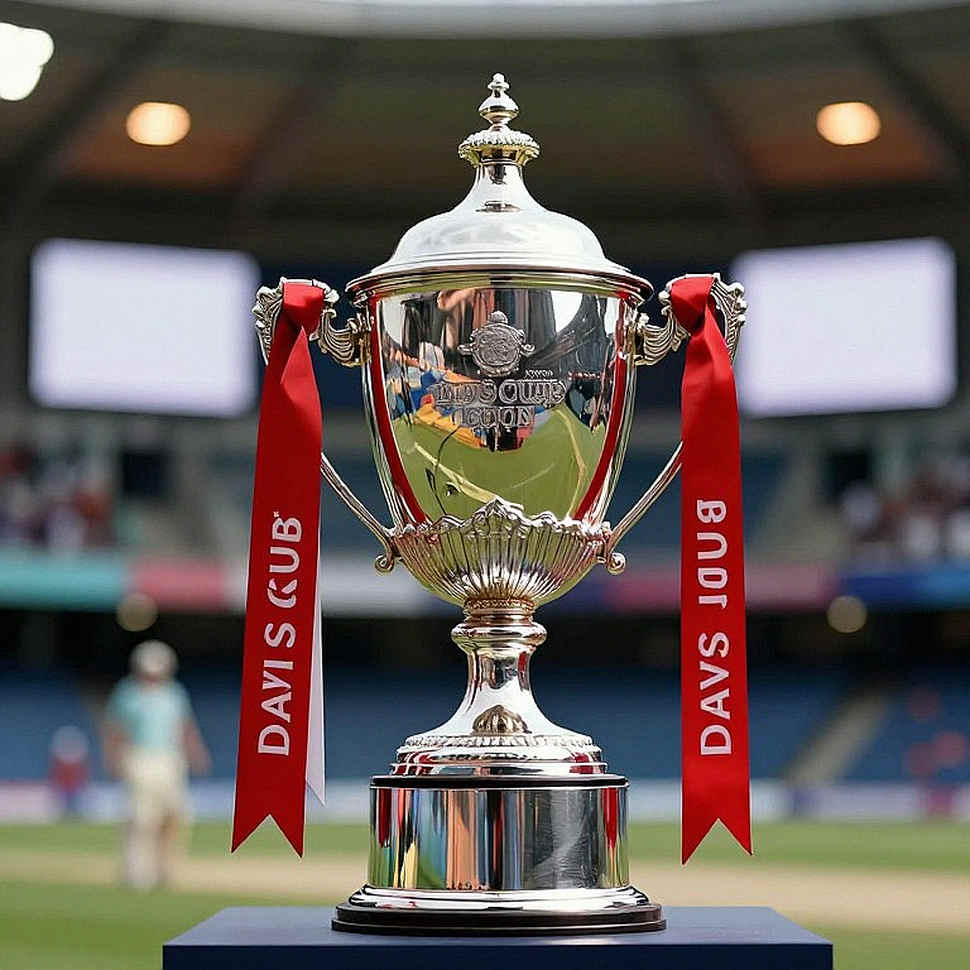
Probe Two — The decay curve of digital collectibles
Cricket NFTs have a pattern that is invisible on mint day and obvious six to twelve weeks later. The bulk of trading volume on a fresh mint happens in the first fortnight; the rest of the period is nearly silent. The cause is supply, not demand — every mint adds new unique items, while the buyer pool does not grow at the same speed.
The decay curve is better documented in football fan tokens. A new token, a new club, a new announcement: the festival lasts days, then price returns to its usable value, which is often close to zero. Cricket's market is smaller, so the swings are larger, but the shape is identical.
My lesson from the fan engine is plain: watch how many pennies are entering the mint, and what they are being promised.
Probe Three — Voting rights where there is no vote
The core promise in a fan token sale is the vote. In practice that vote has three limits — it is usually non-binding, its scope is narrow (which song plays, which design wins), and turnout is often very low.
Put plainly, the token holder does not receive ownership. They receive an opinion-adjunct machine. Branding requires calling it a partnership. A fan token is not a deed of ownership; it is a marketing instrument wearing a governance label.
In cricket the distinction is sharper, because decision rights sit across six to eight separate boards rather than one franchise. A franchise cannot hand token holders a vote on squad selection — that is a question of autonomy.
I trust the chart that survives a hostile reading. Here the hostile question is this: if the vote became binding and the outcome went against the business, what would the board do? A system with no answer to that cannot be called part-ownership.
Probe Four — Feed speed: when the market prices ahead of the boardroom
At the Russia World Cup the feed changed faster than the tactics. The biggest lesson that year was about time, not strategy — when live information arrives ahead of the dugout, strategy falls behind. Ball-by-ball data is now routine in cricket; the token market sits on the same feed and reacts faster still.
The result is uncomfortable. A signing, an injury rumour, a boardroom leak — these enter token prices ahead of the news cycle. From the field side, that is an information asymmetry problem. From the ledger side, it is unequal price discovery. When information reaches the market before publication, the market stops researching and starts betting on leaks.
Running a live xG dashboard in 2026 taught me something that scales badly into token markets: speed is not accuracy. Often speed is simply a faster route to a boring, common mistake.
Contrarian Angle: Boards Are Repeating the Streaming Mistake
The biggest lesson of the past decade came from media rights. Streaming platforms ran the same trade: paying several times revenue for rights, on the promise of future subscribers. The result was that the promise was frequently wrong, and the error appeared as a written-down loss.
Cricket boards are now doing the same trade with fan tokens and digital assets, with far less disclosure. They are selling the future fan relationship for present cash, while the risk, the decay curve and the governance obligation are almost never written down anywhere. A streaming deal's numbers make headlines; a token issuance's terms usually vanish into a pop-up.
What I am not saying matters too. I am not saying the technology is worthless. As a distributable, verifiable record of ownership, the blockchain has a job, and secondary-market transparency beats cricket's current opacity. What I am saying is that the contract under which a token is issued still lives off net accounting, and that gap is the board's advantage.
Every transfer window is a confession written in amortization and desperation. Fan tokens are the same confession in a new alphabet — the same appetite, new typography.
One claim against myself, as a check. My sample is small — six months, a handful of issuances — and cricket-token liquidity is so thin that one large buyer can move the whole picture alone. Small samples reward fast conclusions, but confidence should not move that fast. What would change my mind? If a board can show three consecutive years of match-dated, usage-based token value — not just announcement-day price — and disclose token revenue as a separate line in audited accounts, then I will rewrite the story.
Takeaway: What to Watch in the Next Window
In the next transfer window, watch four things that are not player prices. First, whether token revenue appears as a separate line in audited financials or dissolves into total commercial income. Second, whether a fan vote ever becomes binding, and ever goes against the business. Third, whether franchise digital and token assets are bundled into the next media rights cycle — if they are, the market has recognised its own risk. Fourth, the gap between a token's instant reaction to a marquee signing and its price four weeks later, because that gap is the real attraction.
The model is not the monk; the monk must maintain the model. That is my position on cricket's blockchain layer — run the machine, but keep the ledger open, and keep people who can read it.